FlightFX Honda HondaJet HA-420
Updated 13 November 2026
Instantly distinctive for its over-wing engine mounts, offering maximized cabin space and cutting-edge aerodynamics.
Standard day-to-day procedures for a realistic flight experience.
Preflight
Power-Up
0/3Cockpit Setup
0/7Oxygen Mask: CHECK (Side Console. Tests the cockpit crew oxygen supply pressure and integrated microphone communications.)
Engine Start
Engine Start
0/3After Start Flow
0/4Engine Instruments: CHECK (Instrument Panel (MFD). Monitors key parameters including N1, N2, ITT, and fuel flow to verify normal engine light-off.)
Electrical Panel: CHECK (Center Pedestal (GTC). Confirms that both generators have automatically come online and bus voltages are normal.)
Bleed & Pressurization: NORM (Pressurization and pneumatic panels. Pressurization CONTROL MODE and CABIN DUMP in NORM, engine bleeds and cabin inflow in NORM. In this cockpit every switch is either dark or NORM for a normal flight, and the pressurization then runs on its own.)
Ice Protection: AS REQUIRED (Center Pedestal (GTC). Controls the engine inlet, wing leading edge, and windshield anti-ice heating elements.)
Before Takeoff
Taxi Flow
0/4Flaps: CHECK FOR T/O (Center Pedestal. Double-checks that the flap lever position and display indications match the planned takeoff setting.)
Lineup
0/1Trims: CHECK FOR T/O (Yoke and Center Pedestal. Final check to ensure pitch, roll, and yaw trims remain properly adjusted for departure.)
Speed Brakes: RETRACTED (Center Pedestal. Confirms that the speed brake switch is retracted and the tail spoiler surfaces are fully stowed.)
CAS & Messages: CHECK (Instrument Panel (PFD/MFD). Performs a final scan of the Crew Alerting System display prior to entering the runway.)
Passenger Signs: ON (Center Pedestal (GTC). Verifies that passenger signs are active and the cabin is secured for departure.)
Weather Radar: AS REQUIRED (Center Pedestal, left touchscreen (GTC1): Home > Weather Selection > WX Radar Settings. Turn the radar on and set the display to Weather. Home > Map returns to the map view.)
Ice Protection: AS REQUIRED (Center Pedestal (GTC). Confirms the required engine and airframe anti-ice systems are active based on local icing conditions.)
Takeoff
Takeoff Roll
0/4After Takeoff / Climb
Initial Climb
0/4Landing Gear: VERIFY UP (Instrument Panel (MFD). Verifies that all landing gear have fully retracted and all gear doors are closed.)
Yaw Damper: VERIFY ENGAGED (Glareshield (autopilot panel), YD button. Damps out yaw oscillation, the side-to-side wallow, for a steadier ride.)
Flaps: VERIFY UP (Instrument Panel (MFD). Confirms on the display that the wing flap surfaces have fully retracted.)
Ice Protection: AS REQUIRED (Center Pedestal (GTC). Monitors outside air temperature and visible moisture to adjust anti-ice settings during the climb.)
Cruise
Cruise Monitoring
0/1Altimeters: CHECK (Instrument Panel (PFD and standby). Check the pilot and standby altimeters agree at the standard setting. Only those two altimeters work in the sim.)
Engine Instruments: CHECK (Instrument Panel (MFD). Scans engine operating data to verify normal performance and fuel burn rates at cruise altitude.)
Fuel Quantity: CHECK (Instrument Panel (MFD). Monitors fuel remaining and checks tank balancing against flight planning values.)
Pressurization: CHECK (Instrument Panel (MFD). Verifies that cabin altitude, pressure differential, and outflow valve scheduling are normal.)
Descent
Descent Prep
0/3Ice Protection: AS REQUIRED (Center Pedestal (GTC). Activates structural and engine anti-ice systems if icing conditions are anticipated during descent.)
Landing Elevation: VERIFY (Pressurization. Verify the landing field elevation is set for the destination, so the cabin is at field pressure on landing.)
Descent
0/3Approach
Approach Setup
Altimeters: SET (Instrument Panel (PFD and standby). Recheck the pilot and standby altimeters show the local pressure. Only those two altimeters work in the sim.)
Passenger Signs: ON (Center Pedestal (GTC). Confirms that the cabin is fully secured and all passenger seat belts are fastened for landing.)
CAS & Messages: CHECK (Instrument Panel (PFD/MFD). Conducts a final scan of the Crew Alerting System to ensure no active faults exist.)
Configuration
0/5Speed Brakes: RETRACTED (Center Pedestal. Re-verifies that speed brakes are stowed to ensure normal lift profiles and handling on touchdown.)
Ice Protection: AS REQUIRED (Center Pedestal (GTC). Verifies that required anti-ice systems are active or adjusted for the runway environment.)
Landing
Landing
0/3Shutdown & Secure
After Landing Flow
0/2Speed Brakes: RETRACTED (Center Pedestal. Verifies that the speed brake switch is retracted after completing the landing rollout.)
Trims: SET (Yoke and Center Pedestal. Set the pitch trim back in the green band, ready for the next takeoff.)
Ice Protection: OFF (Center Pedestal (GTC). Turns off all structural and engine anti-ice heating elements after taxiing off the runway.)
Exterior Lights: AS REQUIRED (Center Pedestal, right touchscreen (GTC2): Home > Aircraft Systems > System Controls > Exterior Lights. Left in NORM, the taxi light runs on its own. On dark or wet taxiways, the recognition and landing lights can be switched ON to add light.)
Shutdown
0/5About this checklist
- Aircraft
- FlightFX's HondaJet HA-420 add-on for Microsoft Flight Simulator (MSFS).
- Covers
- 10 phases, from preflight to shutdown and secure.
- Modes
- 83 items in Full mode, 52 in Normal and 27 in Quick.
- Updated
- 13 November 2026
- Corrections
- If a step is wrong, missing or out of order, use Report Inaccuracy at the top of the page. Reports go straight to the maker, and fixes are listed in the changelog.
- Use
- For flight simulation only. Never use it for real-world flying.
Fly Next
Related Checklists
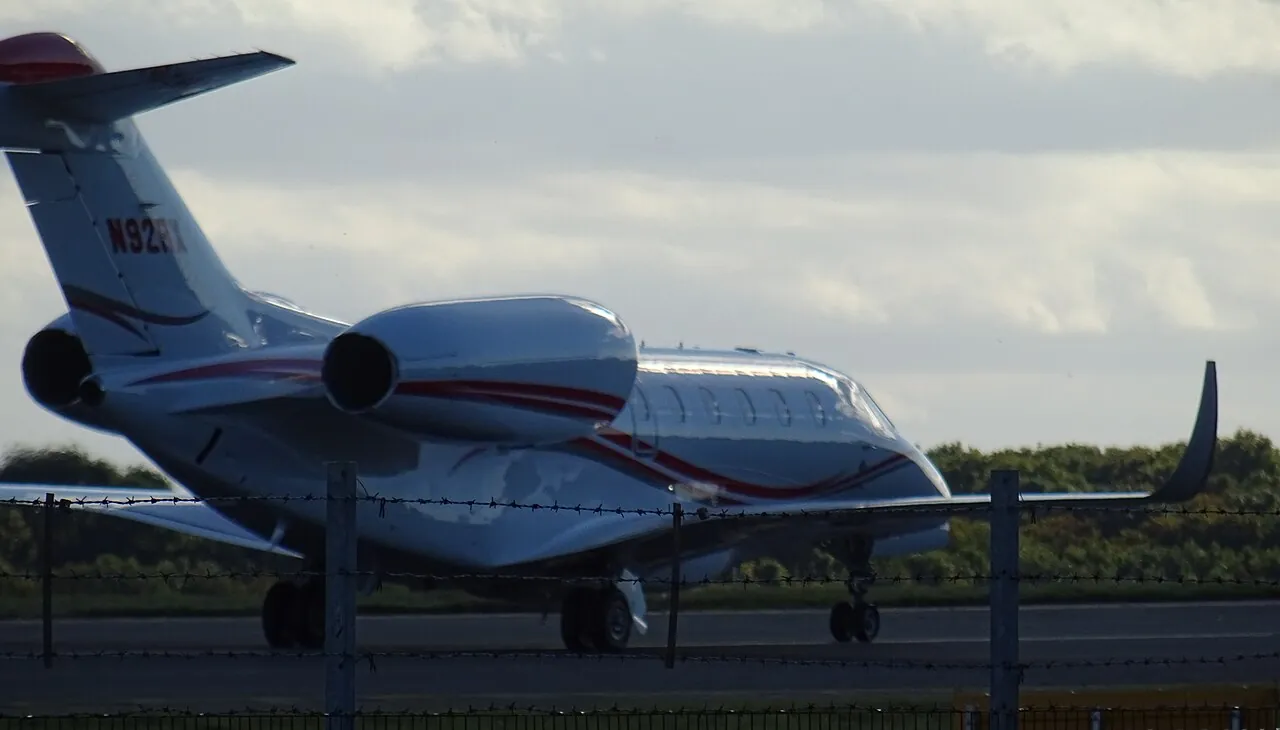
Citation X
Twin-engine Cessna business jet with a 51,000 ft service ceiling and a 36,100 lb max takeoff weight.
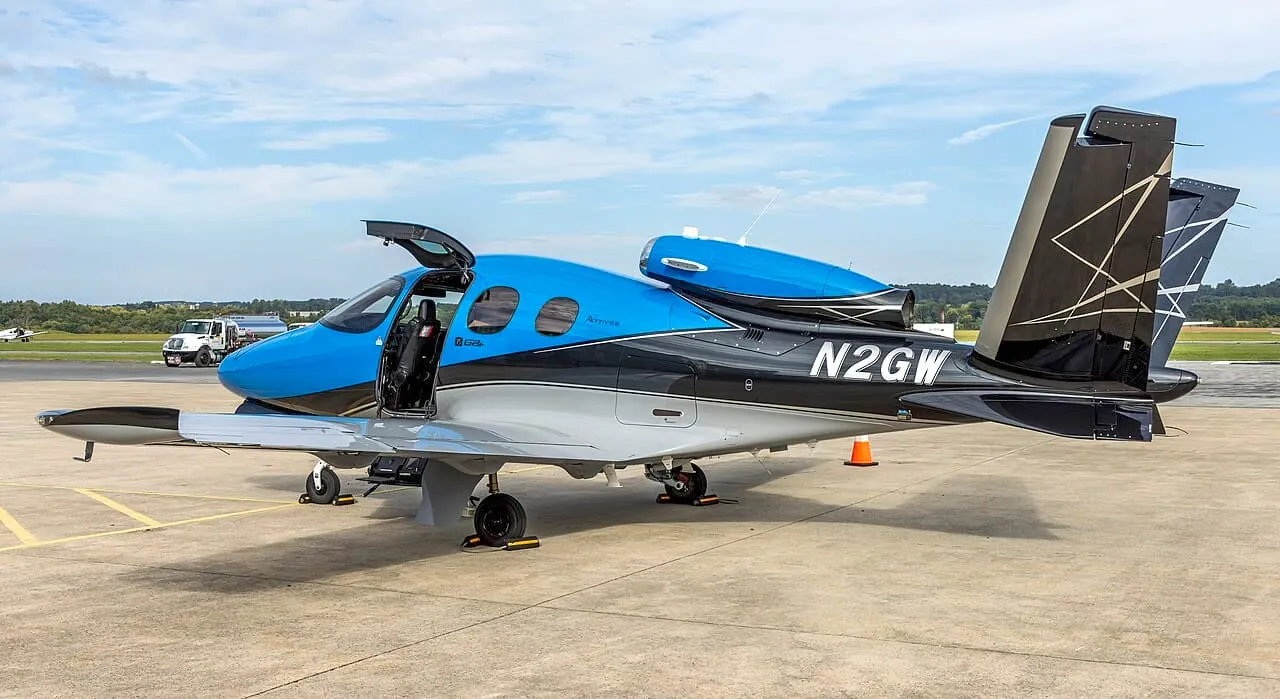
Vision Jet SF50 G2
The world's first single-engine personal jet, the Vision Jet makes jet performance accessible to single-pilot operators.
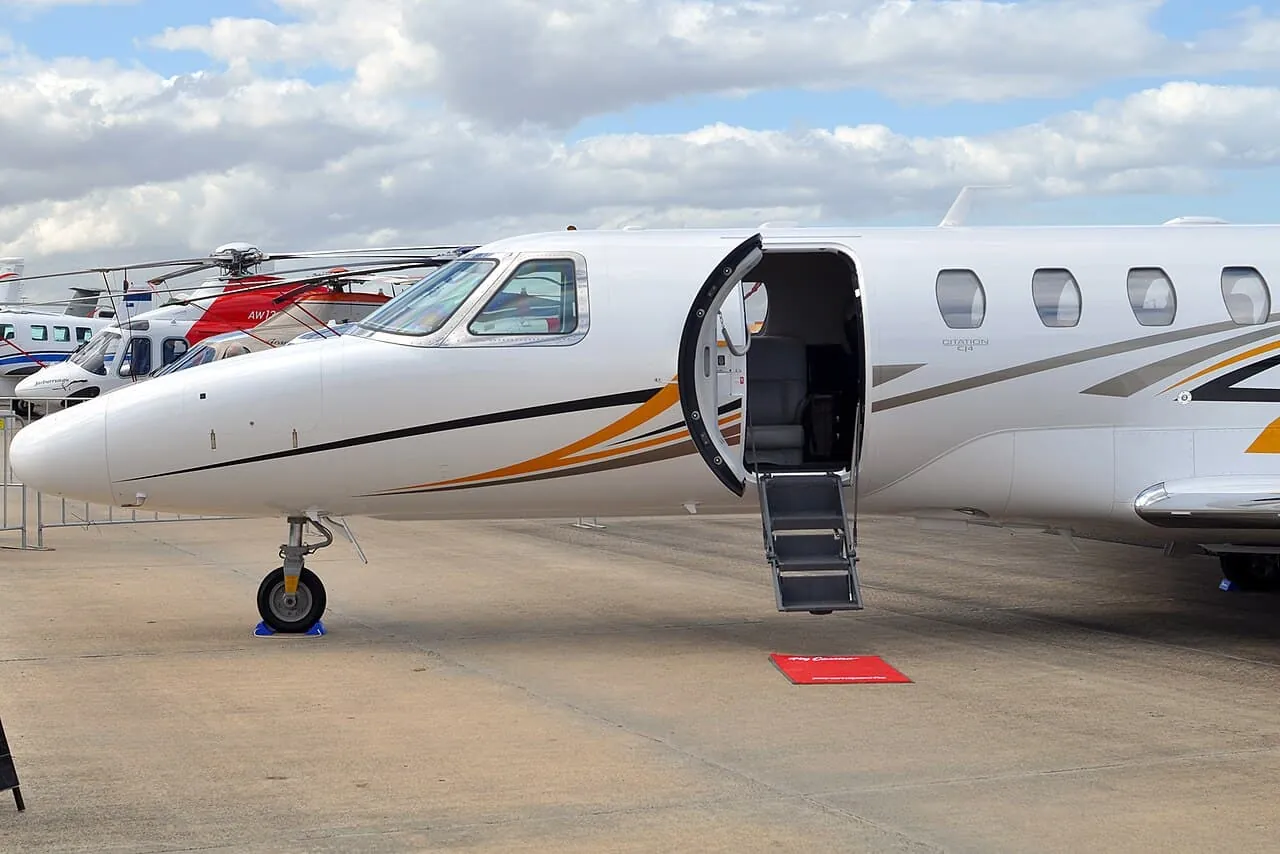
Citation CJ4
A sophisticated light business jet with high performance and simple single-pilot operation for regional trips.